
When it comes to protecting your heart, most of us are familiar with the usual numbers: cholesterol, blood pressure, blood sugar, weight and family history. Those numbers are important, but they do not always tell the whole story. One test that can provide another valuable piece of the puzzle is a coronary artery calcium scan, often called a calcium cardiac scan or CAC scan.
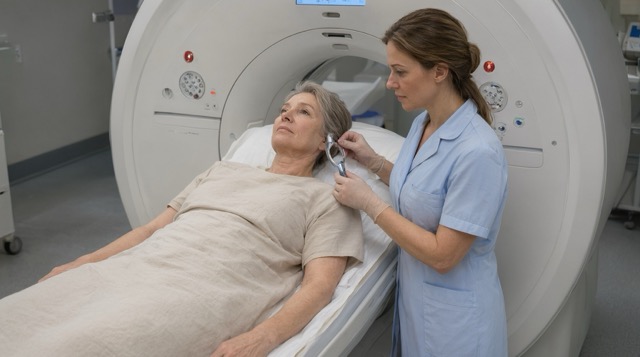
The test is surprisingly simple. A low dose CT scan looks for calcium deposits in the arteries that supply blood to the heart. Calcium in these arteries is a marker of atherosclerotic plaque, and the amount found is reported as a calcium score. Higher scores generally indicate a greater amount of coronary plaque and a higher future risk of cardiovascular disease.
So why consider paying for one if insurance does not cover it?
For many people, the answer is that the information can be far more valuable than the cost of the test. A CAC scan can sometimes reveal that a person who appears relatively healthy actually has evidence of plaque buildup. Just as importantly, it can also provide reassurance when the score is zero. Current ACC and AHA guidelines specifically support selective CAC testing for certain adults when there is uncertainty about cardiovascular risk and whether preventive treatment such as a statin is appropriate.
A zero score can be particularly meaningful. Among appropriately selected adults, having no detectable coronary calcium is associated with a substantially lower risk of cardiovascular events over the following years. On the other hand, finding calcium can provide a powerful reason to take prevention more seriously, whether that means addressing cholesterol, blood pressure, diet, exercise or other risk factors. A CAC score of 100 or greater is particularly significant because it is associated with higher cardiovascular risk and can strengthen the case for preventive treatment.
There is also something appealing about the practicality of the test. A CAC scan does not require needles, fasting or a lengthy procedure. The actual CT portion takes only minutes, and the American Heart Association notes that out of pocket costs are typically around $50 to $250 when insurance does not cover the test. Radiation exposure is low, generally around 1 millisievert, although it varies depending on the scanner and protocol.
That makes the cost worth considering in perspective. Spending $100 or $200 today to learn whether there is measurable plaque in your coronary arteries could potentially change how aggressively you approach heart disease prevention for years to come.
Of course, a calcium scan is not appropriate for everyone. It is not intended to replace medical evaluation, and a score of zero does not mean that heart disease is impossible because noncalcified plaque may still be present. People with symptoms such as chest pain, known coronary artery disease or certain high risk conditions may need different testing or treatment.
For the right person, however, a calcium cardiac scan can turn an abstract discussion about “heart disease risk” into something much more tangible. Instead of simply looking at a collection of risk factors on paper, you get actual information about whether calcium has accumulated in the arteries supplying your heart.
Insurance coverage should certainly be considered, but lack of coverage does not necessarily make the test a bad investment. If your doctor believes you are an appropriate candidate and the results could influence decisions about prevention, paying for the scan yourself may be money well spent.
After all, there are plenty of things we spend $100 on without giving them a second thought. Spending that same amount to learn more about the condition of one of the most important organs in your body seems like a pretty reasonable investment.
 Tammy Litke is a Dallas blogger, blogging since 2008. She loves to watch movies, play video games, spend time in the kitchen, and travel. Between recipes and reviews you’ll find many helpful and some just plain funny posts on her blog. Welcome, pull up a chair and stay for a while!