
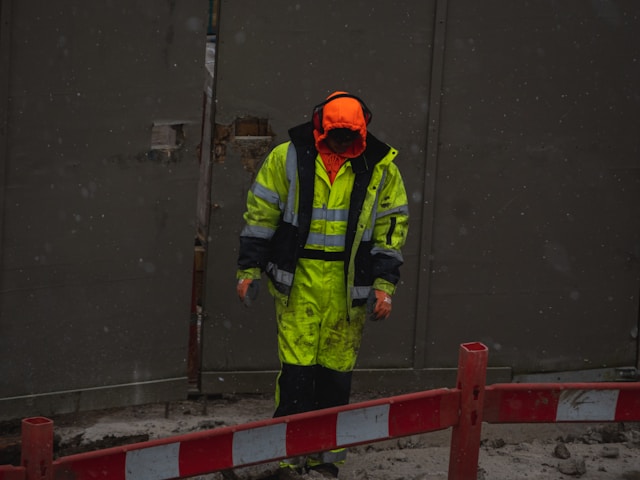
Flame resistant workwear doesn’t make you invincible. While FR clothing greatly reduces injury severity, it cannot completely eliminate hazards. Just like any other PPE, incorrect or improper use can still put you at risk. Because fire, sparks, and electrical hazards are common in high-risk job roles, understanding how FR clothing should be worn and the mistakes to avoid is essential for maintaining workplace safety.
NFPA Standards: The Backbone of Flame-Resistant Workwear
The National Fire Protection Association (NFPA) sets essential guidelines that help employers and workers choose, use, and maintain PPE correctly. Here are the three most relevant standards for FR clothing:
1. NFPA 70E
This standard requires employers to evaluate workplace electrical hazards, identify arc flash boundaries, and select PPE that provides proper flame-resistant and arc-rated protection.
2. NFPA 2112
NFPA 2112 outlines the minimum performance criteria for flame-resistant garments, ensuring they meet safety benchmarks and offer reliable protection.
3. NFPA 2113
This standard explains how to select, use, and care for FR clothing. Proper maintenance ensures that flame-resistant properties remain effective throughout the garment’s lifespan.
Types of Flame-Resistant Workwear
a) Coveralls
A one-piece suit that provides full-body protection, covering the arms, legs, front, and back. Coveralls help prevent sparks or hot materials from entering through gaps.
b) Parka Jackets
Insulated, flame-resistant parkas offer dual protection—keeping workers warm in cold conditions while still preventing fire-related injuries.
c) Arc Suits
Arc suits are specifically engineered for high-voltage environments. They are designed to resist melting, burning, or tearing, significantly reducing injury during an arc flash.
Top 5 Common Mistakes with Flame-Resistant Workwear
Even high-quality FR clothing can fail if worn improperly—and the stakes are serious. Across the United States, an estimated 5–10 arc flash incidents occur every single day, totaling roughly 30,000 incidents per year and leading to thousands of burn injuries. These numbers highlight why wearing FR clothing correctly matters.
1. Non-FR Outer Layers
A standard jacket or hoodie might feel comfortable, but if it’s not flame-resistant, it can ignite quickly. Non-FR layers can compromise the protection of the FR gear underneath.
2. Non-FR Inner Layers
Undergarments made from materials like polyester or nylon can melt into the skin when exposed to heat. FR-rated base layers are essential for full-body protection.
3. Rolling Up Sleeves
Exposed skin increases vulnerability. Lightweight FR options allow workers to stay cool without needing to roll up their sleeves.
4. Leaving FR Clothing Unbuttoned or Unzipped
Unfastened PPE leaves openings where flames, heat, or sparks can reach your skin. Full closure is non-negotiable for proper safety.
5. Untucked Shirts
Leaving your FR shirt untucked gives heat and flames a direct path to your body. Long shirttails and proper fit help workers keep shirts securely tucked.
Recognizing Explosive Hazards
1. Electrical Arc Flash
Arc flashes release massive amounts of energy—sometimes reaching temperatures up to 20,000°C. The frequency of arc flash incidents is high, with 5–10 events occurring daily, many resulting in severe burns or hospitalizations. Proper arc-rated FR clothing is essential for anyone working with or near electrical equipment.
2. Flash Fire
A flash fire spreads rapidly when flammable vapors or combustible dust ignite. Workers in pharmaceuticals, refineries, and chemical plants must use FR clothing capable of withstanding sudden, intense heat exposure.
3. Combustible Dust
Dust particles suspended in the air can ignite and cause explosions. Industries such as food processing, textile manufacturing, and paper milling require FR garments built to reduce burning and prevent ignition spread.
End Notes
Fire and explosive hazards remain significant risks in many industries, making proper flame-resistant workwear essential. Selecting high-quality FR clothing that meets safety standards is one of the most effective ways to reduce injury in hazardous environments.
Companies can choose from various trusted manufacturers offering NFPA-compliant solutions. Among these options, Yurinox Workwear provides advanced flame resistant workwear, including workwear essentials such as FR shirts, FR Pants, FR Jackets, and other personal protection clothing designed to perform reliably in demanding industrial environments.
By wearing appropriate FR clothing and ensuring it is used correctly—properly fastened, layered, and fully tucked—workers can significantly enhance their safety during high-risk tasks.
 Tammy Litke is a Dallas blogger, blogging since 2008. She loves to watch movies, play video games, spend time in the kitchen, and travel. Between recipes and reviews you’ll find many helpful and some just plain funny posts on her blog. Welcome, pull up a chair and stay for a while!